
Panchakarma: The Ancient Ayurvedic Healing That Your Body Has Been Waiting For and get it from the best panchakarma treatment in Pala.
There are moments in life when the body quietly sends signals — a heaviness that sleep cannot fix, a fatigue that coffee cannot chase away, a restlessness that no vacation seems to cure. In those moments, something deeper is asking to be heard. Ayurveda, the five-thousand-year-old science of life, understood this long before modern medicine had words for it. And at the very heart of Ayurvedic healing lies Panchakarma — a profound, time-tested system of purification and rejuvenation that goes far beyond anything a tablet or tonic can offer.
The word “Panchakarma” comes from Sanskrit — “Pancha” meaning five, and “Karma” meaning actions or therapies. Together, they describe a set of five powerful therapeutic procedures designed to cleanse the body from the inside out, restore balance to the mind and spirit, and rebuild a foundation of genuine, lasting health. But to call it simply a “detox” would be to miss its depth entirely. Panchakarma is not a trend. It is a complete system of healing that has been refined over millennia, rooted in a profound understanding of the human body, its energies, and its relationship with nature.
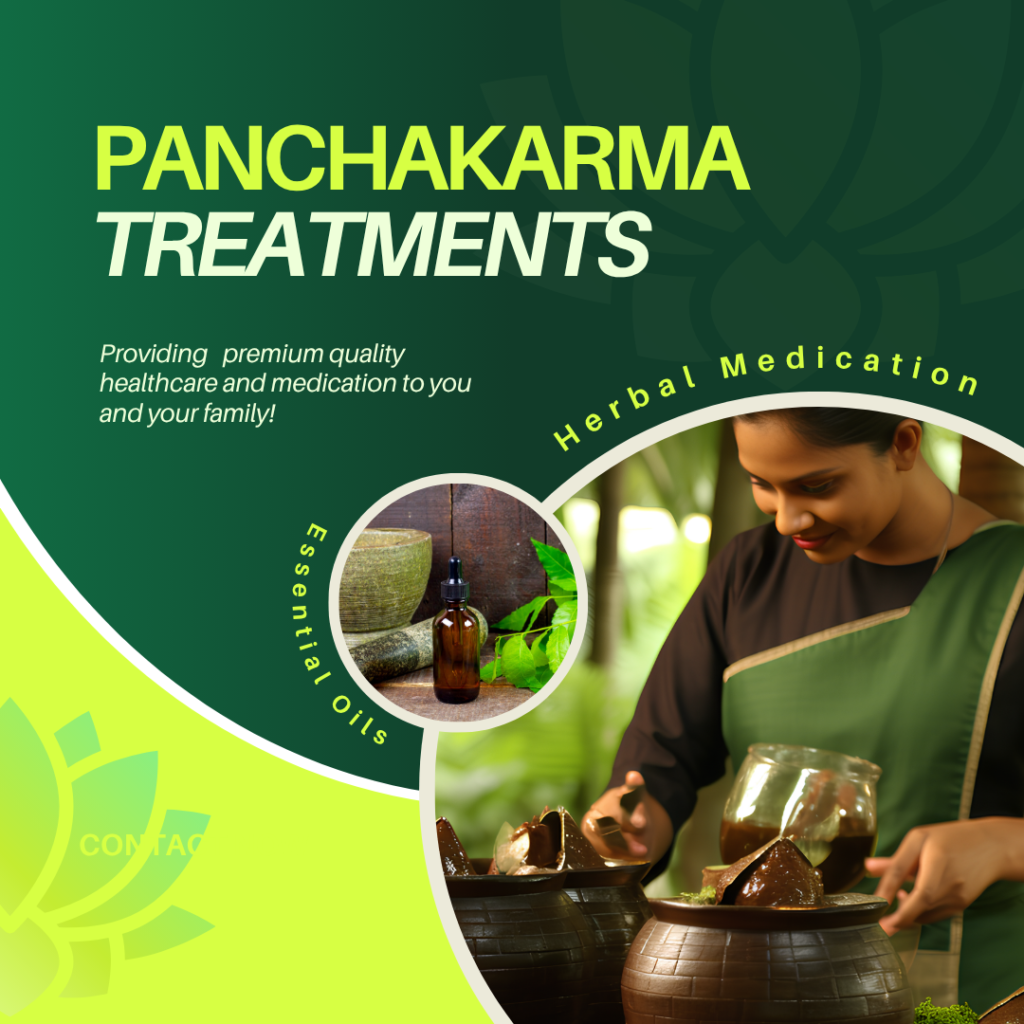
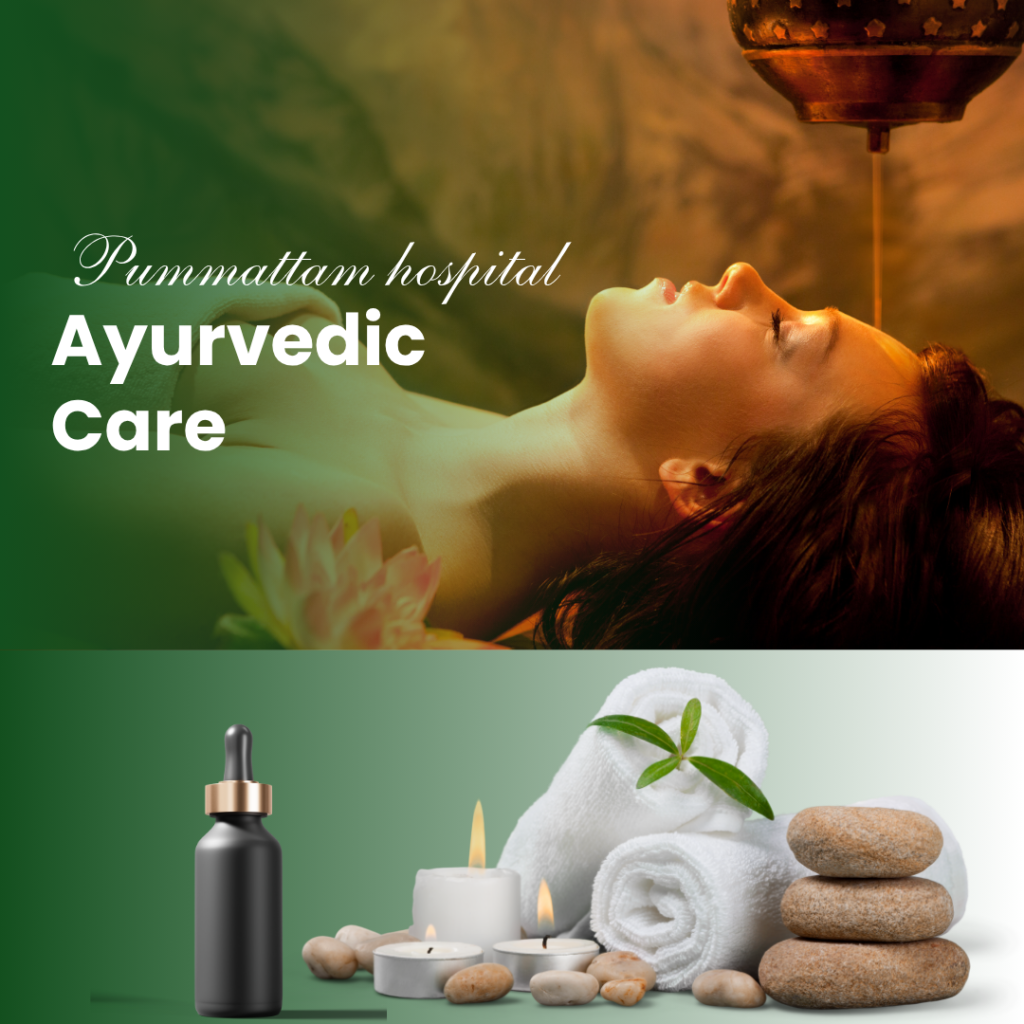
Understanding the Philosophy Behind Panchakarma with the Best Panchakarma treatment in Pala
To truly appreciate Panchakarma, one must first understand how Ayurveda views disease and health. According to Ayurvedic philosophy, the human body is governed by three fundamental energies called Doshas — Vata (air and space), Pitta (fire and water), and Kapha (earth and water). When these three Doshas are in harmony, a person experiences vibrant health, mental clarity, and emotional stability. When they fall out of balance — due to poor diet, irregular sleep, stress, environmental toxins, or suppressed emotions — the body begins to accumulate “Ama,” which is essentially toxic waste or undigested matter that clogs the channels of the body and disrupts its natural functioning.
This is where Panchakarma steps in. Rather than merely suppressing symptoms, Panchakarma works to identify and eliminate the root cause of imbalance. It draws out the deep-seated toxins that conventional medicine often cannot reach, restores the body’s natural intelligence, and creates the conditions in which true healing can occur. It is medicine in its most holistic, humane, and compassionate form.
The Five Therapies That Define Panchakarma
Each of the five therapies in Panchakarma is not chosen arbitrarily. An experienced Ayurvedic physician — a Vaidya — studies the patient’s constitution, current imbalance, digestive strength, age, and overall health before designing a personalized treatment plan. No two Panchakarma experiences are identical, because no two human beings are identical.
Vamana is the first therapy, a carefully controlled therapeutic emesis or induced vomiting designed specifically for those with excess Kapha imbalance. It is particularly effective for chronic respiratory conditions like asthma, bronchitis, and sinusitis. By expelling Kapha from the upper respiratory tract and stomach, Vamana creates immediate relief and opens the channels for proper energy flow.
Virechana is a therapeutic purgation process that cleanses the liver, gallbladder, and the small intestine. It is the therapy of choice for Pitta-dominant imbalances — conditions like skin diseases, acid reflux, liver disorders, inflammatory bowel issues, and chronic fever. The gentle but powerful herbal laxatives used in Virechana work with the body rather than against it, flushing out excess bile and accumulated toxins without leaving the system depleted.
Basti is widely regarded as the king of all Panchakarma therapies. A medicated enema using a carefully prepared blend of herbal decoctions, oils, and other therapeutic substances is administered to cleanse the colon and balance Vata Dosha. Since Vata governs all movement in the body — including nerve impulses, circulation, and elimination — Basti has a remarkably far-reaching effect. It is used in the treatment of constipation, arthritis, neurological disorders, back pain, infertility, and even mental health conditions.
Nasya involves the administration of medicated oils or herbal preparations through the nostrils. The nose is considered the gateway to the brain and consciousness in Ayurveda, and Nasya works directly on the head, neck, and sinuses. It is deeply effective for chronic headaches, migraines, hair fall, premature greying, sinusitis, eye and ear problems, and neurological conditions. Patients who undergo Nasya often describe a remarkable clarity of thought and a lightness in the head that they have not experienced in years.
Raktamokshana is the fifth therapy — a bloodletting or blood purification procedure used in specific conditions caused by impure blood. Traditionally performed using leeches or surgical instruments, this therapy is prescribed for blood-borne diseases, skin conditions like psoriasis and eczema, and certain inflammatory conditions. While it is less commonly administered in modern Panchakarma centres, it remains an important tool in the Ayurvedic physician’s arsenal.
Who Can Benefit from Panchakarma?
The beauty of Panchakarma is its universality. While it is often sought by those dealing with chronic illness, it is equally valuable as a preventive therapy for those who are healthy but want to maintain their vitality and ward off future disease. It is recommended for those experiencing chronic digestive issues, respiratory problems, skin conditions, joint pain, hormonal imbalances, fatigue, stress, anxiety, and sleep disorders. It is also deeply beneficial for those recovering from illness or surgery and looking to rebuild their strength.
That said, Panchakarma should always be undertaken under the guidance of a qualified Ayurvedic physician as we said we are providing the best Panchakarma Treatment in Pala. The therapies are powerful, and when administered incorrectly or without proper assessment, they can do more harm than good. The right physician will take the time to understand your unique constitution and design a treatment plan that is tailored precisely to your needs.